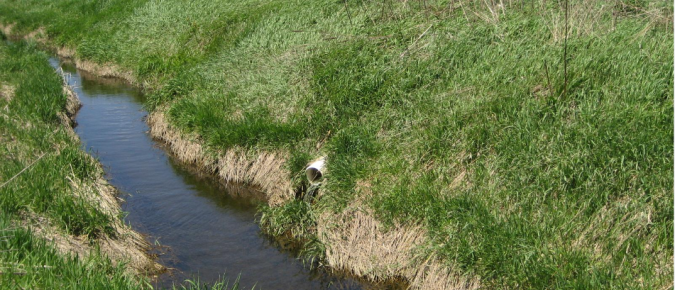
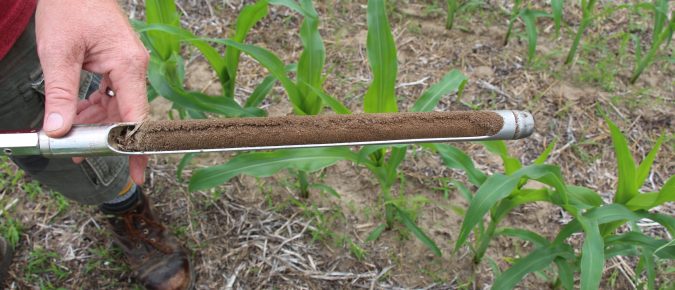
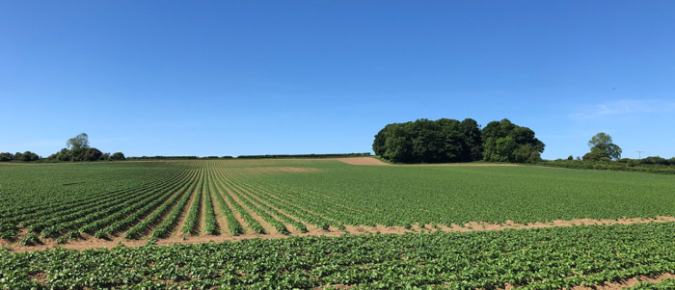
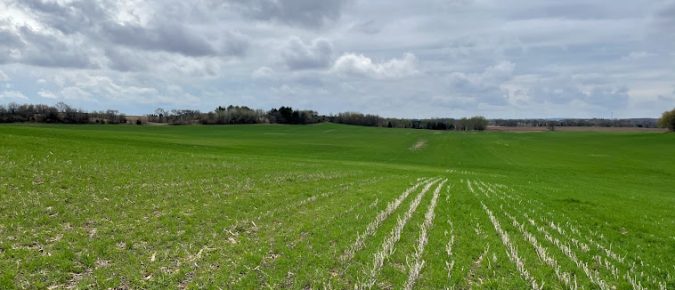
The use of tile drainage is becoming more popular in Wisconsin. Installing a tile drain system can be a great tool to dry soil out faster, improving the timeliness of field operations throughout the cropping season. However, how do tile systems influence water movement off of the field, and what are the water quality implications?
This article was originally published in The Journal of Nutrient Management Discovery Farms’ Nitrogen Use Efficiency Project provides farmers and agronomists opportunities to evaluate their N management to determine the economic and environmental impacts of current practices. With five growing seasons of data collection and 300 fields in our database, we have established benchmarks for […]
Professionals working with farmers to increase the adoption of water quality practices will benefit from insights provided by new social science research. Placing management recommendations into a social, psychological and economic context can help professionals customize communication to farmers to address their barriers and motivations to adopting practices.
Nitrate leaching occurs more easily in Central Wisconsin because of coarse-textured soils and the types of crops commonly grown in Central Wisconsin which generally receive large amounts of nitrogen. Soil nitrate can easily be lost to groundwater particularly after heavy rainfalls.
Nitrate loads to groundwater have increased statewide, with studies estimating that over 10% of private wells in Wisconsin exceed the health standard of 10 mg/L. Researchers are looking at cover crops as part of a solution.
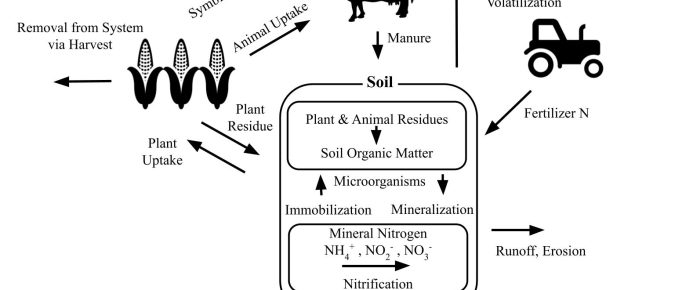
The fate of N is highly affected by on-farm factors such as cropping system, management practices, soil type and hydrology, as well as external factors such as weather conditions. There are many pathways for N loss from a cropping system including: