

Articles
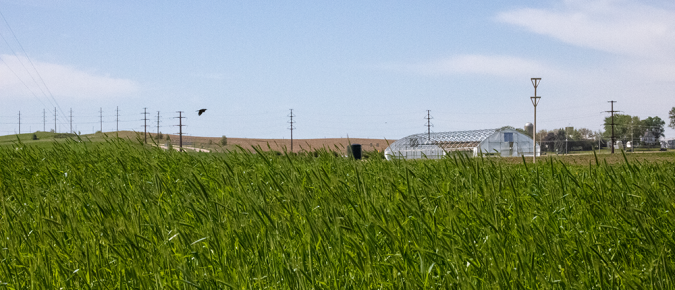
Regional Summary of P Science Assessment: Southwest Wisconsin
Learn how to reduce phosphorus loss in Southwest Wisconsin.
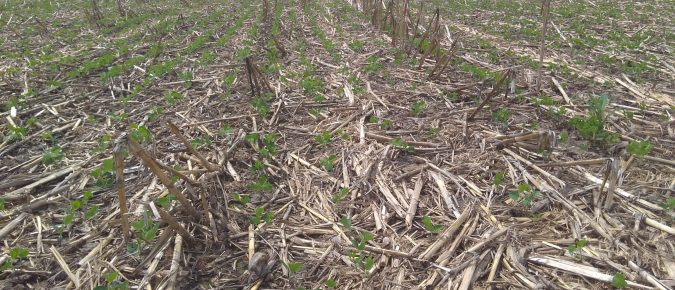
Research Brief: Assessing Practices to Decrease Agricultural Phosphorus Losses in Wisconsin
In Wisconsin’s Phosphorus Science Assessment, four practices were particularly effective at reducing total P losses: decreasing tillage intensity, adding edge-of-field filter strips, incorporating perennial or overwintering crops, and early establishment of cereal rye cover crops. Read this research brief to understand more about controlling P losses.
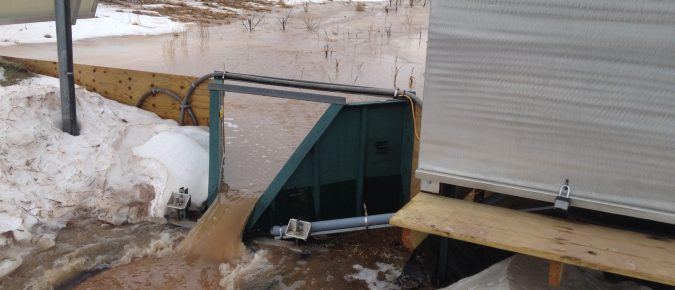
Grassed Waterways Protect Soil and Water in Kewaunee County
Areas where the natural topography causes runoff water to come together in a temporary stream are particularly vulnerable. Grassed waterways are a classic conservation practice that can help protect these sensitive areas while safely moving water off the field.
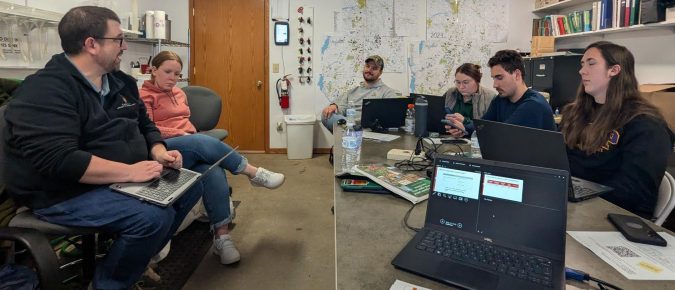
From Survey to Strategies: Tailoring Programs to Address Non-Point Source Contamination
This article shares highlights from a social indicator survey project designed to understand the level of farmers’ self-perceptions of their ability to improve water quality and major programming and incentive needs from farmers to change farming practices.
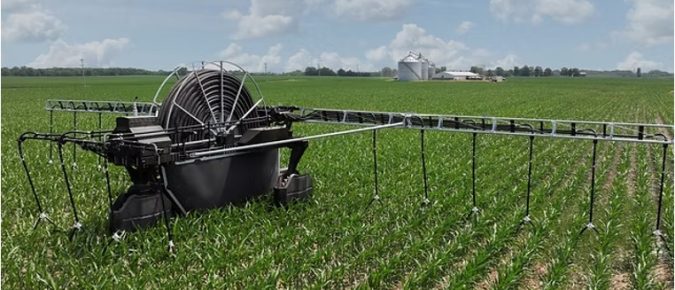
Wider Windows for Manure Application
The 360 RAIN system allows for leachate and manure spreading while a crop is growing to uptake the nutrients during warmer, drier months. Opening up the summer spreading window has the potential to improve water quality risks as well as take the pressure off spreading large amounts of manure in the non-growing season.
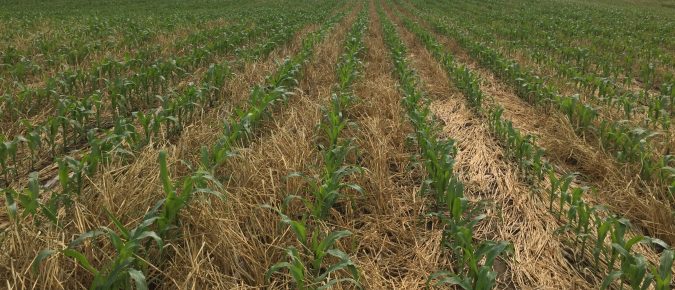
Proof of Progress Twenty Years Later on Kewaunee County Farms
Since 2004, programs like Discovery Farms have been working with farmers in Kewaunee County to better understand how practices like cover crops and no-tillage can help keep nutrients on fields and out of waterways, positively impacting water quality.
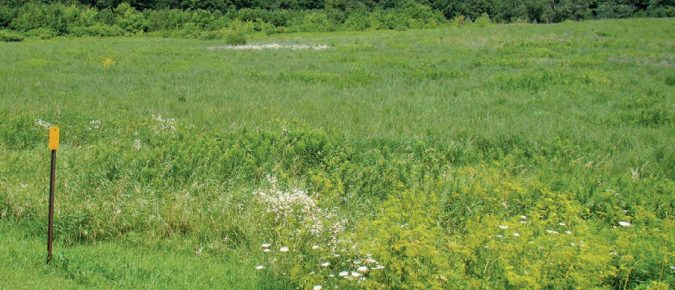
Nonagricultural land: A sink or a source?
To evaluate how land use and agricultural management affect water quality, Discovery Farms performed research on varying management systems in two western Wisconsin watersheds. Our main goal was to better understand how agricultural land management decisions affect soil and nutrient runoff.
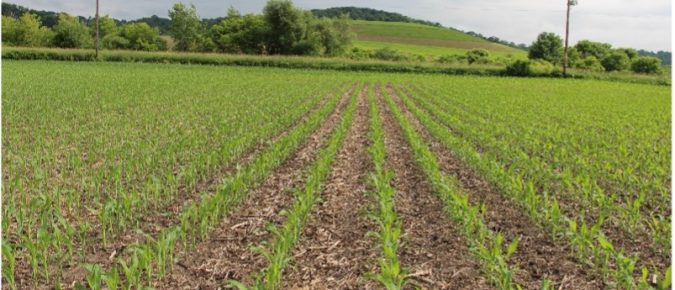
Four Ways to Efficiently Manage Nitrogen When Costs are High
In April 2026, commercial nitrogen fertilizer prices increased approximately 30% since fall 2025. Fortunately, there are nutrient management choices farmers can make to minimize financial impacts of this sudden price increase.
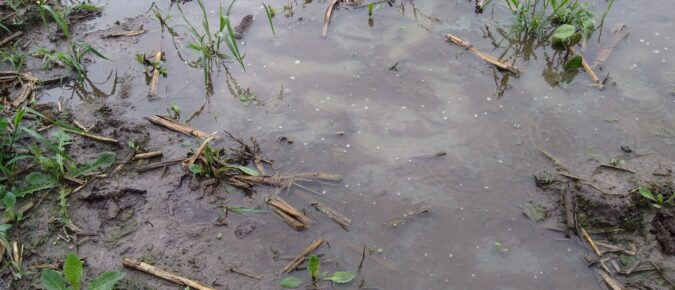
Soil Moisture and Rainfall Intensity Thresholds for Runoff Generation in Southwestern Wisconsin Agricultural Watersheds
The goal of this study was to improve understanding of the factors that influence runoff generation during non-frozen ground periods in small agricultural watersheds in southwestern Wisconsin where the landscapes are controlled by dolostone bedrock in order to provide agricultural producers with a manure management tool.
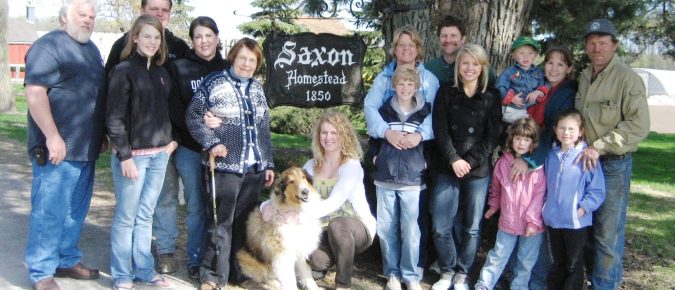
Understanding Nutrient and Sediment Loss at Saxon Homestead Farm
Farms near Lake Michigan in Manitowoc County, Wisconsin were facing a tough question: how much are agricultural fields contributing to water quality problems in the lake? Algae blooms in nearby bays were raising concerns, and phosphorus from farm fields was suspected as a key factor. To get real answers, Discovery Farms partnered with Saxon Homestead Farm (SHF), a fifth-generation, pasture-based dairy operation, to monitor water quality from 2004 to 2007.
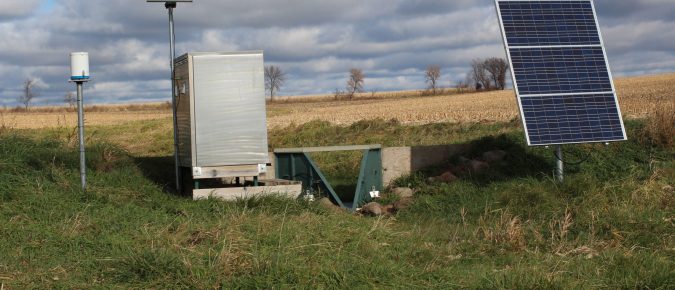
Edge-of-field Water Quality in Two Wisconsin Watersheds
Do you know how much soil and phosphorus is leaving your fields during a rain event, or how much difference your tillage choices make from one year to the next? A seven-year study by Discovery Farms set up water quality monitoring stations at the edges of fields across two western Wisconsin watersheds to answer those exact questions with real numbers from real farms.
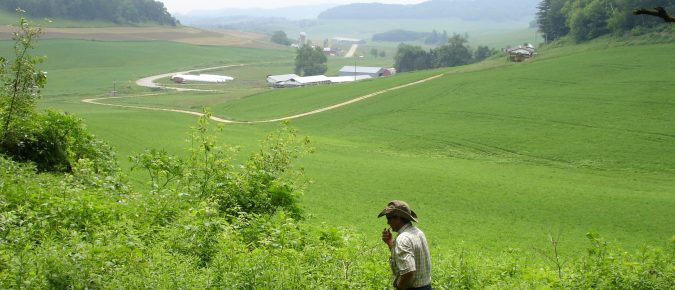
Lessons Learned from Bragger Family Dairy
Farming on steep, hilly land is tough. Keeping soil and nutrients out of nearby streams is even tougher. But data from Bragger Family Dairy in Buffalo County, Wisconsin shows it can be done, and the lessons from this farm still matter today.