This study was conducted from 2004-2007 and may no longer reflect current conditions as weather, management practices, and available data have evolved. This research remains valid, but should be considered alongside more recent findings.
Farms near Lake Michigan in Manitowoc County, Wisconsin were facing a tough question: how much are agricultural fields contributing to water quality problems in the lake? Algae blooms in nearby bays were raising concerns, and phosphorus from farm fields was suspected as a key factor. To get real answers, Discovery Farms partnered with Saxon Homestead Farm (SHF), a fifth-generation, pasture-based dairy operation, to monitor water quality from 2004 to 2007.
How the Study Worked
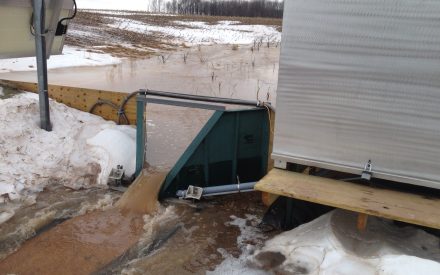
Researchers installed four monitoring sites to track water moving on and off the farm, both through surface runoff and underground tile drainage. By comparing what came in upstream to what left downstream, they could calculate how much sediment and nutrients the farm’s grazed paddocks were contributing.
What the Data Showed
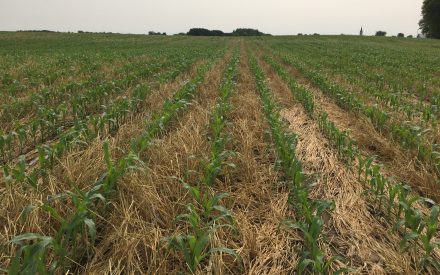
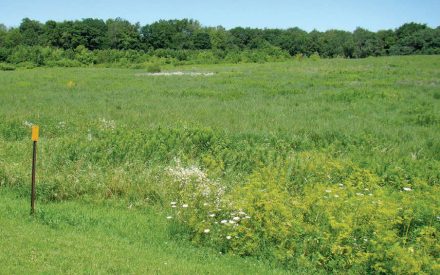
Sediment loss was much lower on grazed land. Paddocks with continuous grass cover lost far less sediment than the tilled field next door. In a four-day stretch in spring 2006, the tilled field lost more than two tons of sediment per acre. The grazed paddocks showed minimal loss by comparison.
Surprisingly, tile drainage carried most of the sediment leaving the farm. Of total sediment leaving SHF, 97% moved through tile lines underground, while only 3% moved through surface runoff. Vegetative cover on the paddocks kept surface erosion low, but water moving through the soil into the tile system carried significant sediment loads. High sediment losses through tile are unusual and were due to blowouts in these tiles, highlighting the importance of regular tile system inspections. Tile: 440 lbs/acre/year average. Surface: 15 lbs/acre/year average.
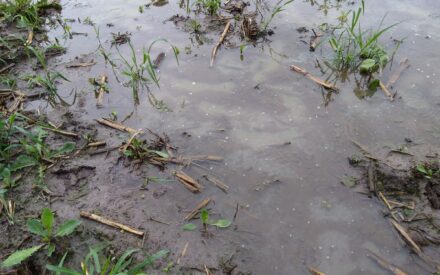
Timing matters. Most surface runoff happened in May, when grasses were just getting re-established and soils were wet. Snowmelt in February and March also drove high runoff. During summer months, actively growing crops and pastures soaked up precipitation, producing little to no runoff.
Phosphorus and nitrogen losses were relatively low overall, especially compared to other farms in the Discovery Farms network. However, overwintering livestock in certain paddocks led to higher nutrient losses during frozen ground periods, when manure left on the surface was more easily transported by water.
What the Farm Changed
Based on the research, SHF made several practical adjustments: reducing manure applications on fields with already-high soil phosphorus levels, tilling some paddocks to incorporate phosphorus that had built up near the soil surface, and using temporary fencing to keep cows away from areas where water collects and flows during high-risk periods.
The Bottom Line for Wisconsin Farmers
Continuous vegetative cover is one of the strongest tools you have against sediment and nutrient loss. But this study also shows that surface runoff is only part of the picture. Tile drainage can quietly carry away large amounts of sediment and nutrients. Understanding both pathways, and managing accordingly, is key to protecting water quality on your operation.
Explore This Study in More Detail
This resource is meant for print purposes, only.
Understanding Nutrient and Sediment Loss at Saxon Homestead Farm (PDF) ↗️