

On-Farm Research
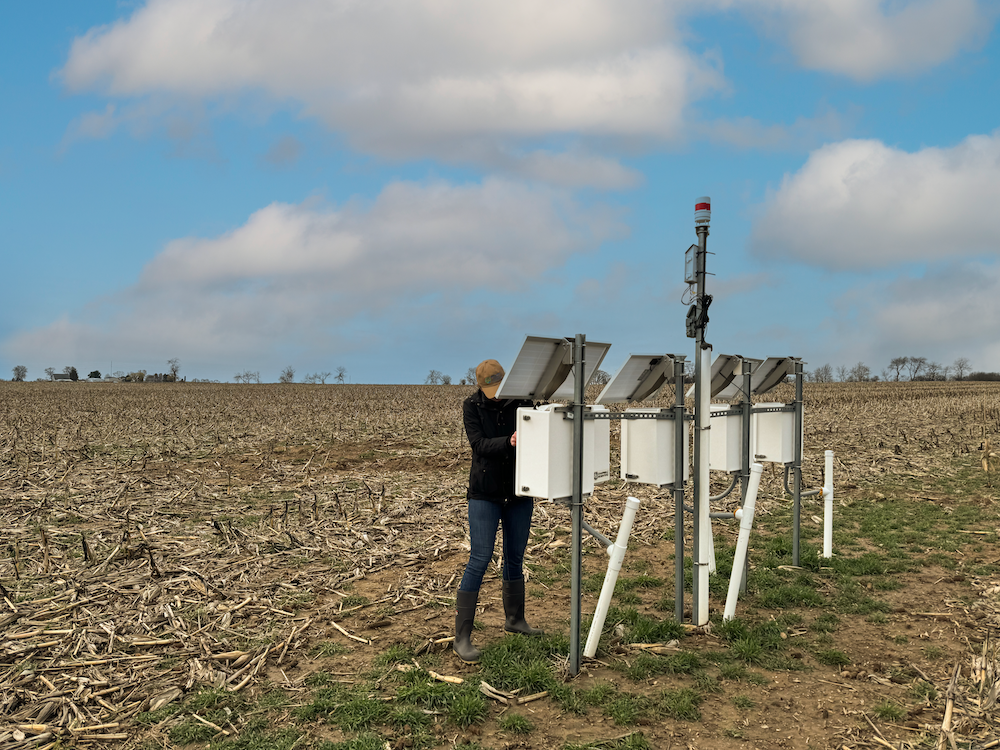
On-Farm Research
Farmer-led research that finds practical solutions to real-world problems.
Conducting research on real Wisconsin farms is cornerstone to our work at Extension. Through Discovery Farms’ data collection and Crops and Soils’ individualized research, our work bridges the gap between scientific innovation and practical application, providing producers with the localized, credible data needed to make farming resilient and profitable.
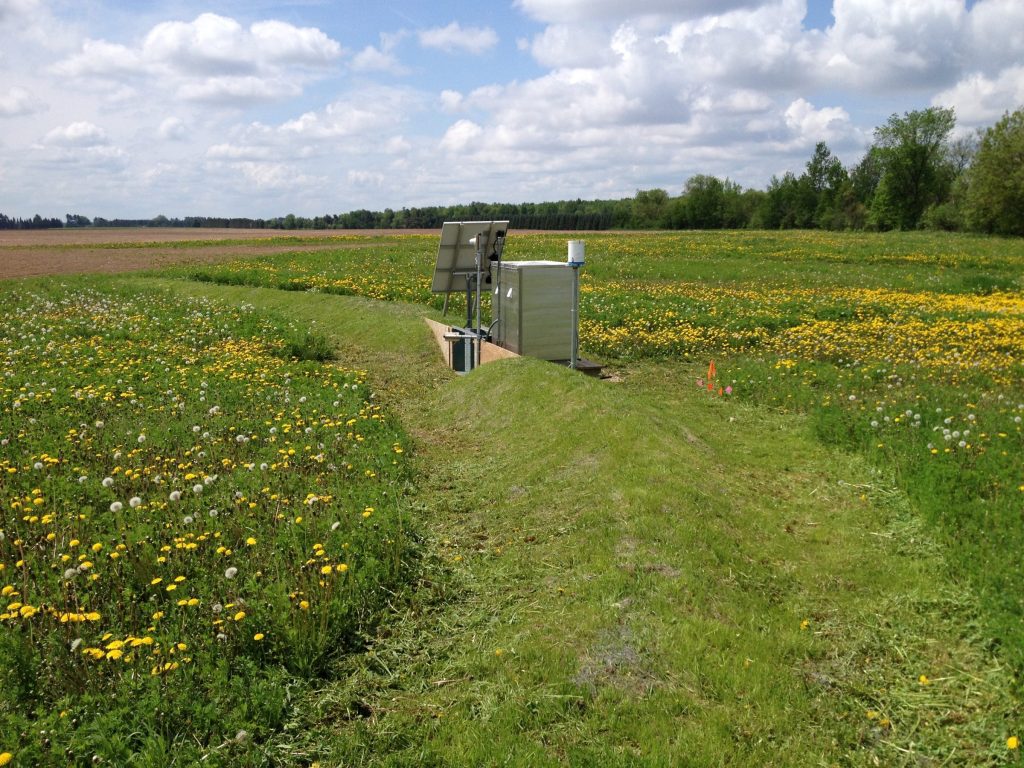
Driven by farmers, Discovery Farms helps address emerging issues in agriculture through on-farm research and data collection to find practical, real-world solutions that protect our water resources while keeping crops thriving.
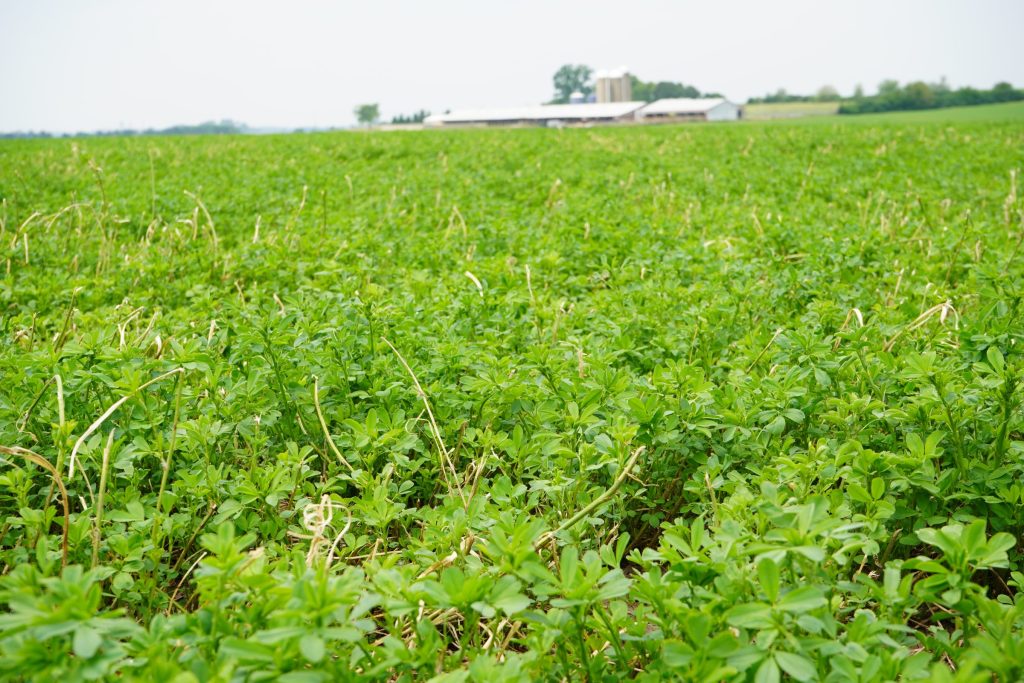
The Crops and Soils On-Farm Research program builds collaborative partnerships across Wisconsin to test innovative agricultural practices and generate localized data that supports economically and environmentally sustainable farming.
Articles: On-Farm Research
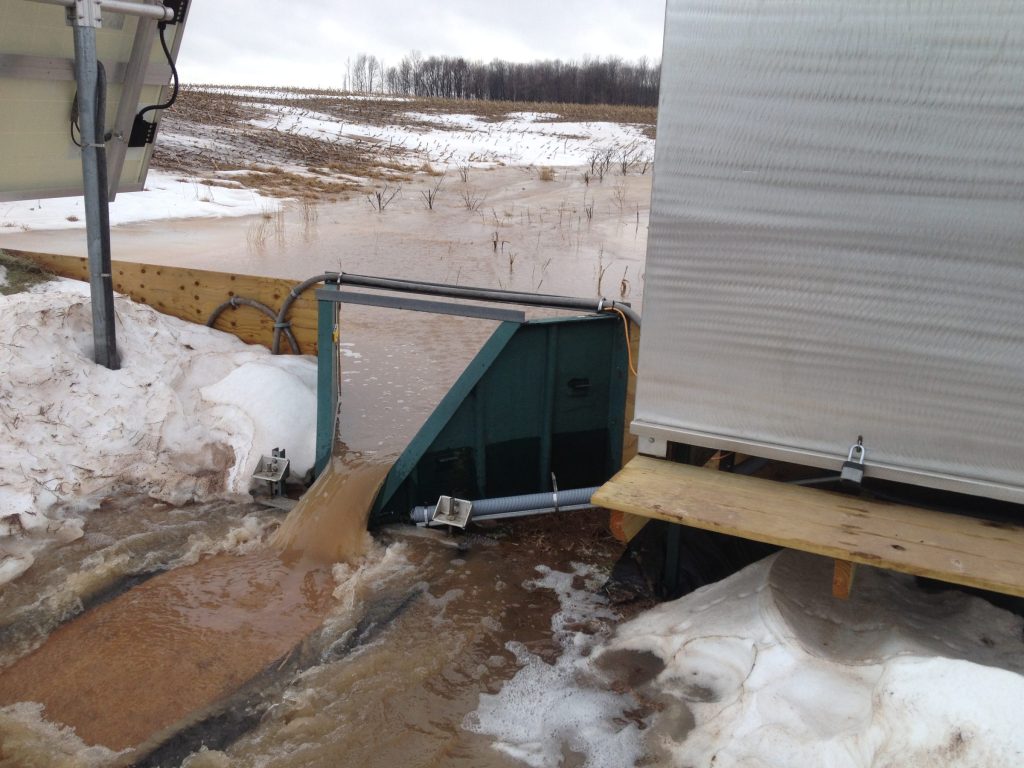
Grassed Waterways Protect Soil and Water in Kewaunee County
Areas where the natural topography causes runoff water to come together in a temporary stream are particularly vulnerable. Grassed waterways are a classic conservation practice that can help protect these sensitive areas while safely moving water off the field.
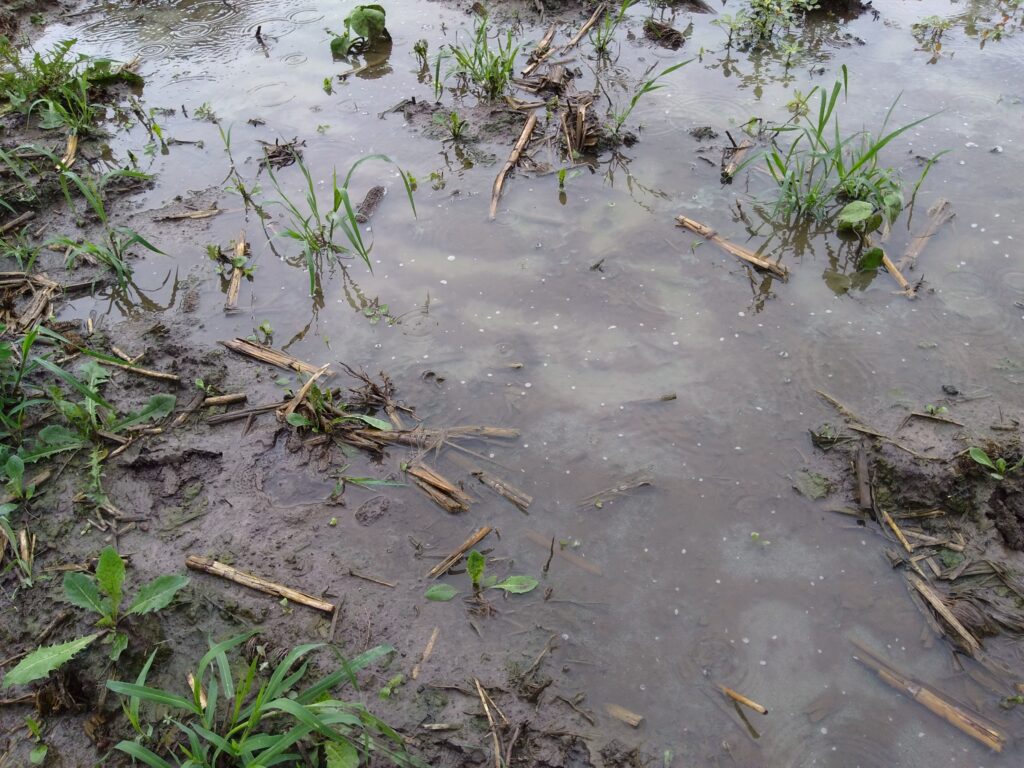
Soil Moisture and Rainfall Intensity Thresholds for Runoff Generation in Southwestern Wisconsin Agricultural Watersheds
The goal of this study was to improve understanding of the factors that influence runoff generation during non-frozen ground periods in small agricultural watersheds in southwestern Wisconsin where the landscapes are controlled by dolostone bedrock in order to provide agricultural producers with a manure management tool.
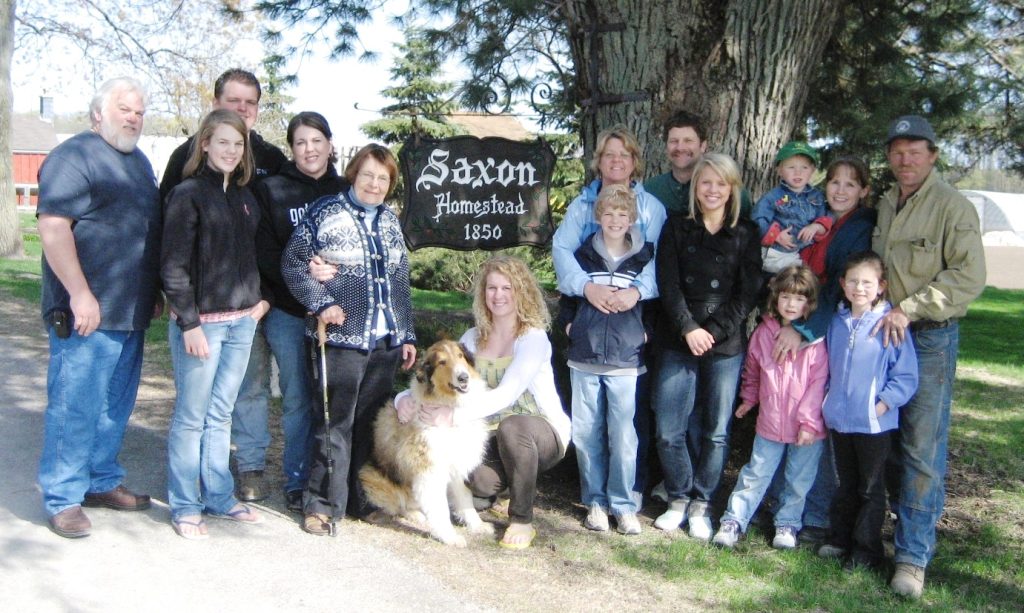
Understanding Nutrient and Sediment Loss at Saxon Homestead Farm
Farms near Lake Michigan in Manitowoc County, Wisconsin were facing a tough question: how much are agricultural fields contributing to water quality problems in the lake? Algae blooms in nearby bays were raising concerns, and phosphorus from farm fields was suspected as a key factor. To get real answers, Discovery Farms partnered with Saxon Homestead Farm (SHF), a fifth-generation, pasture-based dairy operation, to monitor water quality from 2004 to 2007.
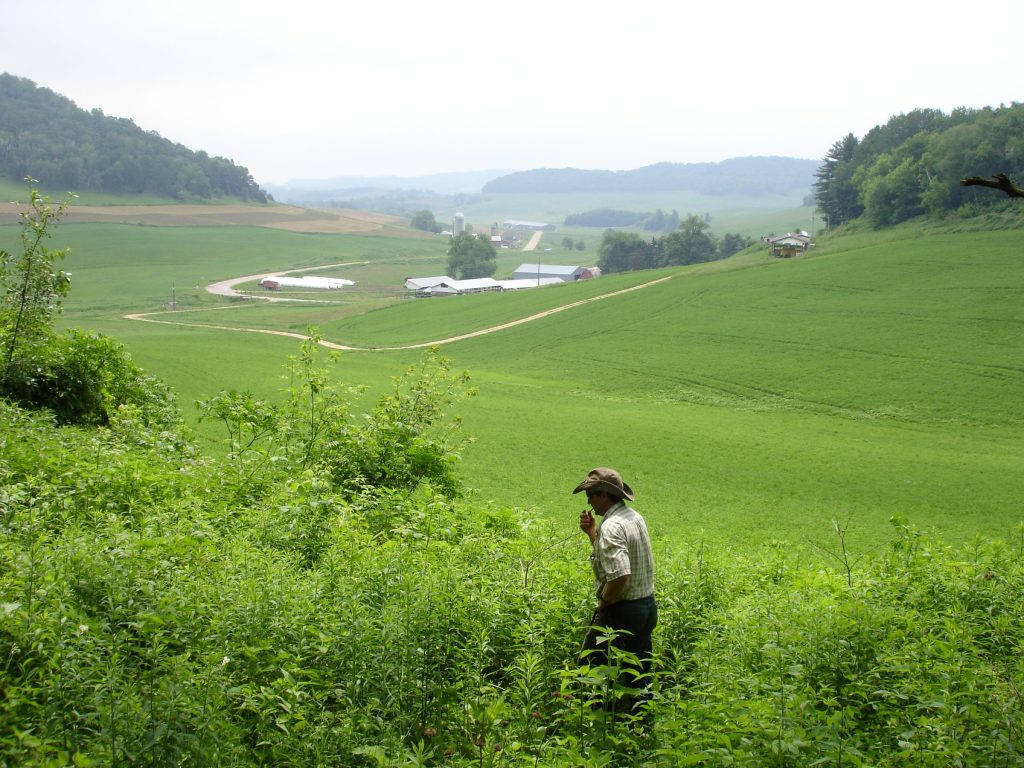
Lessons Learned from Bragger Family Dairy
Farming on steep, hilly land is tough. Keeping soil and nutrients out of nearby streams is even tougher. But data from Bragger Family Dairy in Buffalo County, Wisconsin shows it can be done, and the lessons from this farm still matter today.
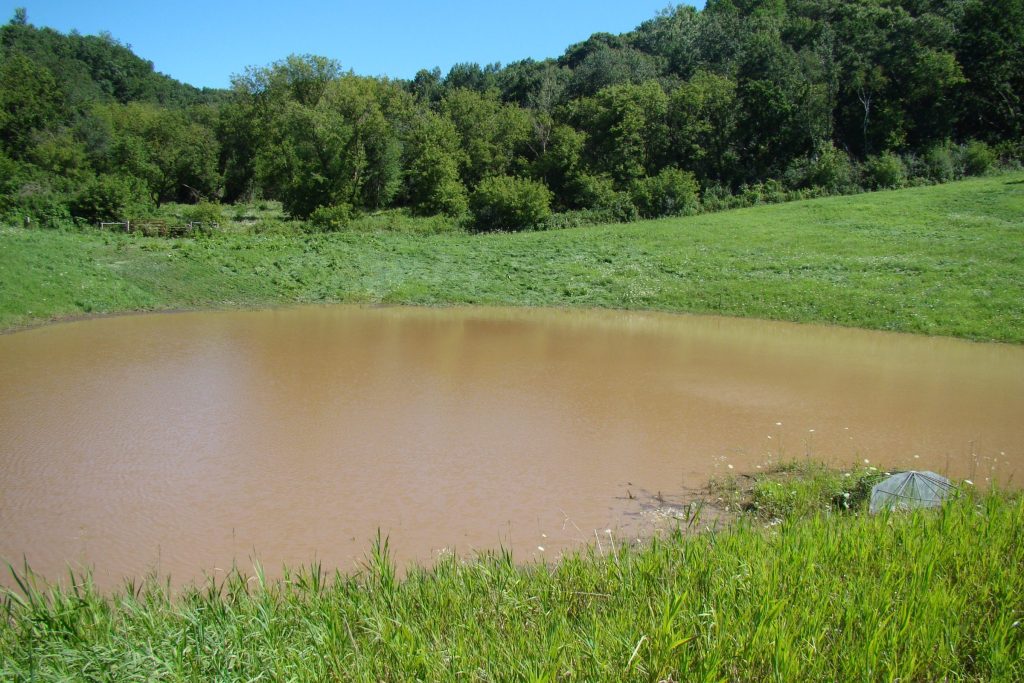
Conservation Benefits of a Grade Stabilization Structure
If you farm on steep slopes in Wisconsin, you’ve likely watched good soil wash away after a hard rain. That runoff carries more than dirt — it carries phosphorus and nitrogen that your crops need and that nearby streams don’t. A conservation tool called a grade stabilization structure (GSS) may be one of the most cost-effective ways to slow that loss down.
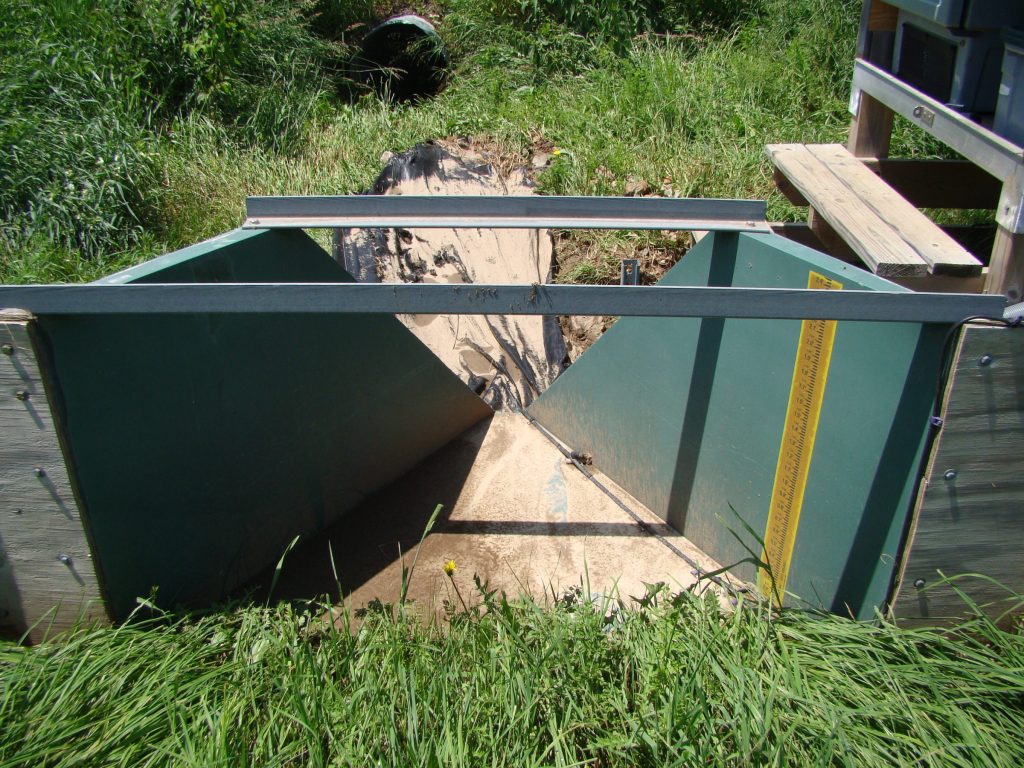
Methods of Data Collection, Sample Processing, and Data Analysis for Edge-of-field, Stream Gaging, Subsurface, and Meteorological Stations at Discovery Farms and Pioneer Farm
Wisconsin farmers know that what happens in the field does not always stay in the field. Rain and snowmelt carry sediment, nutrients, and other materials off farmland and into streams, tiles, and groundwater. But how do you know exactly how much is leaving, and when?