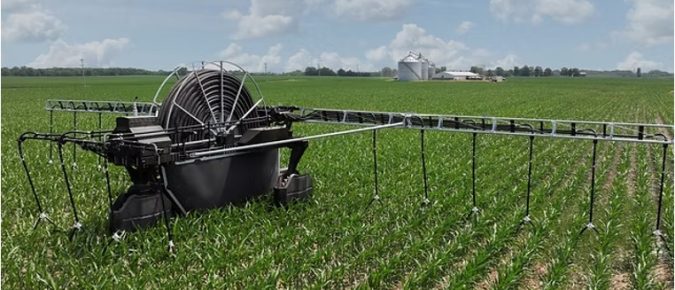
The 360 RAIN system allows for leachate and manure spreading while a crop is growing to uptake the nutrients during warmer, drier months. Opening up the summer spreading window has the potential to improve water quality risks as well as take the pressure off spreading large amounts of manure in the non-growing season.
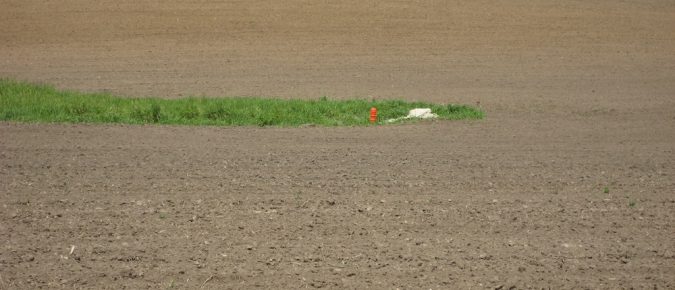
If you farm in Eastern Wisconsin on heavy clay soils and apply manure regularly, this research has a direct message for you: your tile lines are moving phosphorus to nearby water, and that loss may be larger than you think.
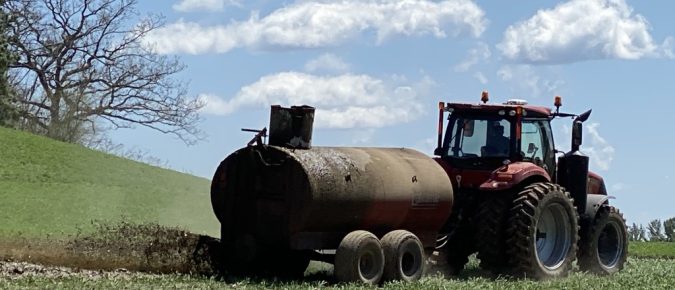
A common misconception about livestock manure is that it is simply a waste product of the farm. However, manure is rich in many nutrients and is a valuable resource when applied back onto fields that can benefit from manure application. Research has demonstrated positive impacts to soil quality/health, crop production, and overall farm management when manure is managed effectively.
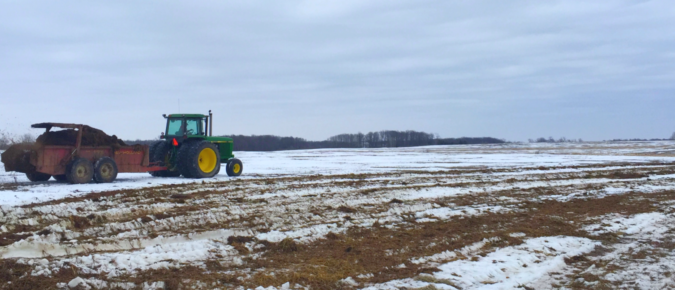
This short video shares the best times to spread manure throughout the year, why it’s important to consider various field and weather conditions and offers best management practices to install to reduce soil and nutrient losses.
A recent study used data from 13 CAFOs in a Michigan watershed to increase understanding of how manure nutrients are used and how nutrient use efficiency can be increased to decrease the impact manure has on Lake Erie’s toxic algae blooms. The same issues affect many Wisconsin lakes.