

Wisconsin’s Nutrient Reduction Strategy Science Assessment

Wisconsin’s Nutrient Reduction Strategy Science Assessment
This assessment looks at how effective different agricultural management practices are at reducing phosphorus losses from farm fields to Wisconsin’s waterways.
The Agriculture Water Quality Program and UW-Madison faculty and staff developed this Science Assessment to accompany Wisconsin’s Nutrient Loss Reduction Strategy. It highlights the potential benefits of controlling total P losses through a combination of in-field practices (tillage reduction and early planted cover crops), structural practices (filter strips and grass waterways), and cropping-systems changes (adding overwintering or perennial crops) in the most vulnerable fields.
Regional information will be available soon. For now, explore the team’s main findings in the research brief and keep scrolling to learn how this assessment came together.
More regional highlights will be released soon!
Four Practices to Decrease Phosphorus Loss
To reduce total P loss, four practices were particularly effective: decrease tillage intensity, add edge-of-field filter strips, incorporate perennial or overwintering crops, and establish cereal rye cover crops early.
Case studies also emphasized that grassed waterways can significantly decrease total P losses in erosion-vulnerable fields, and avoiding winter manure application reduces the risk of P runoff. While most strategies target soil-bound P, long-term soil-test P drawdown through decreased P fertilizer application is uniquely effective at reducing dissolved P losses.
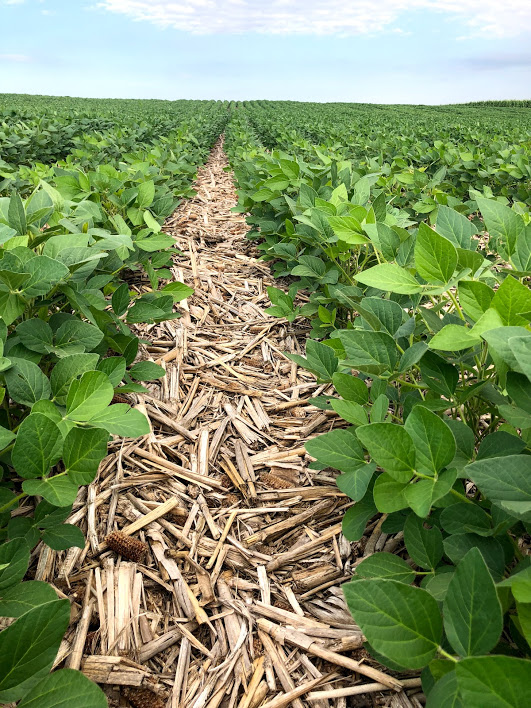
Decrease Tillage Intensity
Shifting from intensive tillage to no-till consistently offers high P reduction, even on soils with high soil test P.
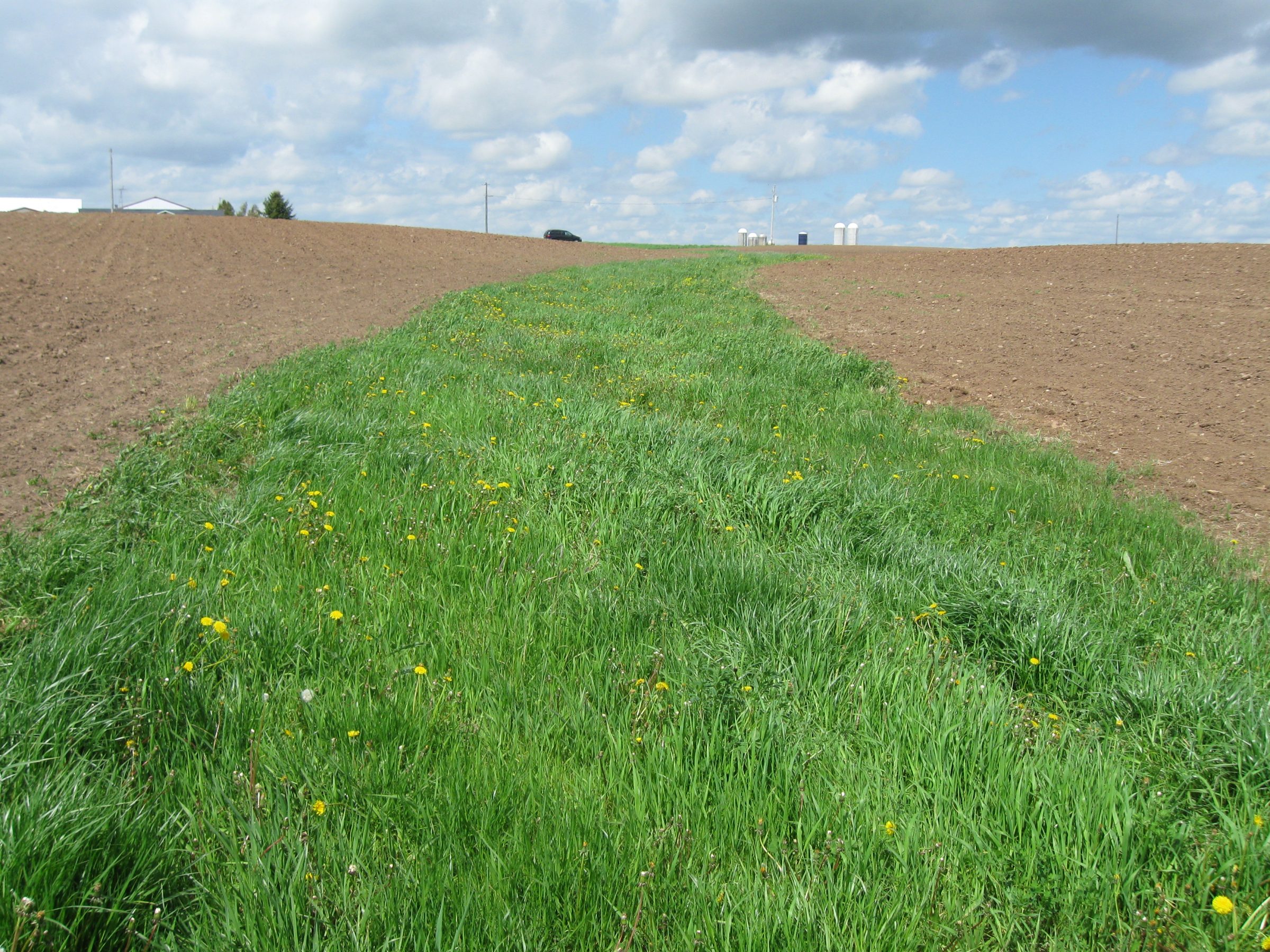
Add Edge-of-Field Filter Strips
Case studies emphasize that grassed waterways can significantly decrease total P losses in erosion-vulnerable fields.
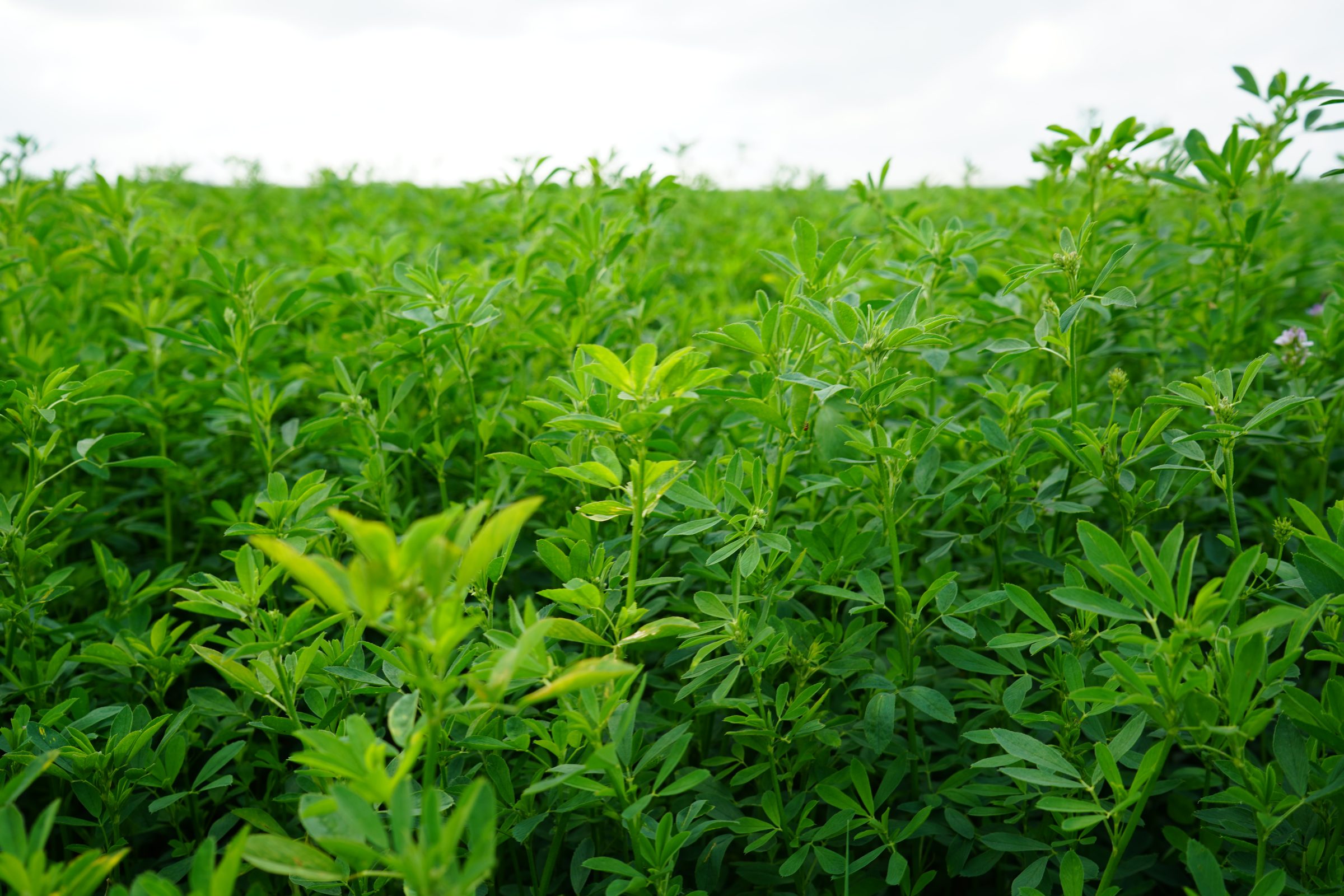
Add Perennial or Overwintering Crops
Increasing perenniality creates more living roots and soil cover and protects soil from disturbance outside the period of corn and soybean growth.
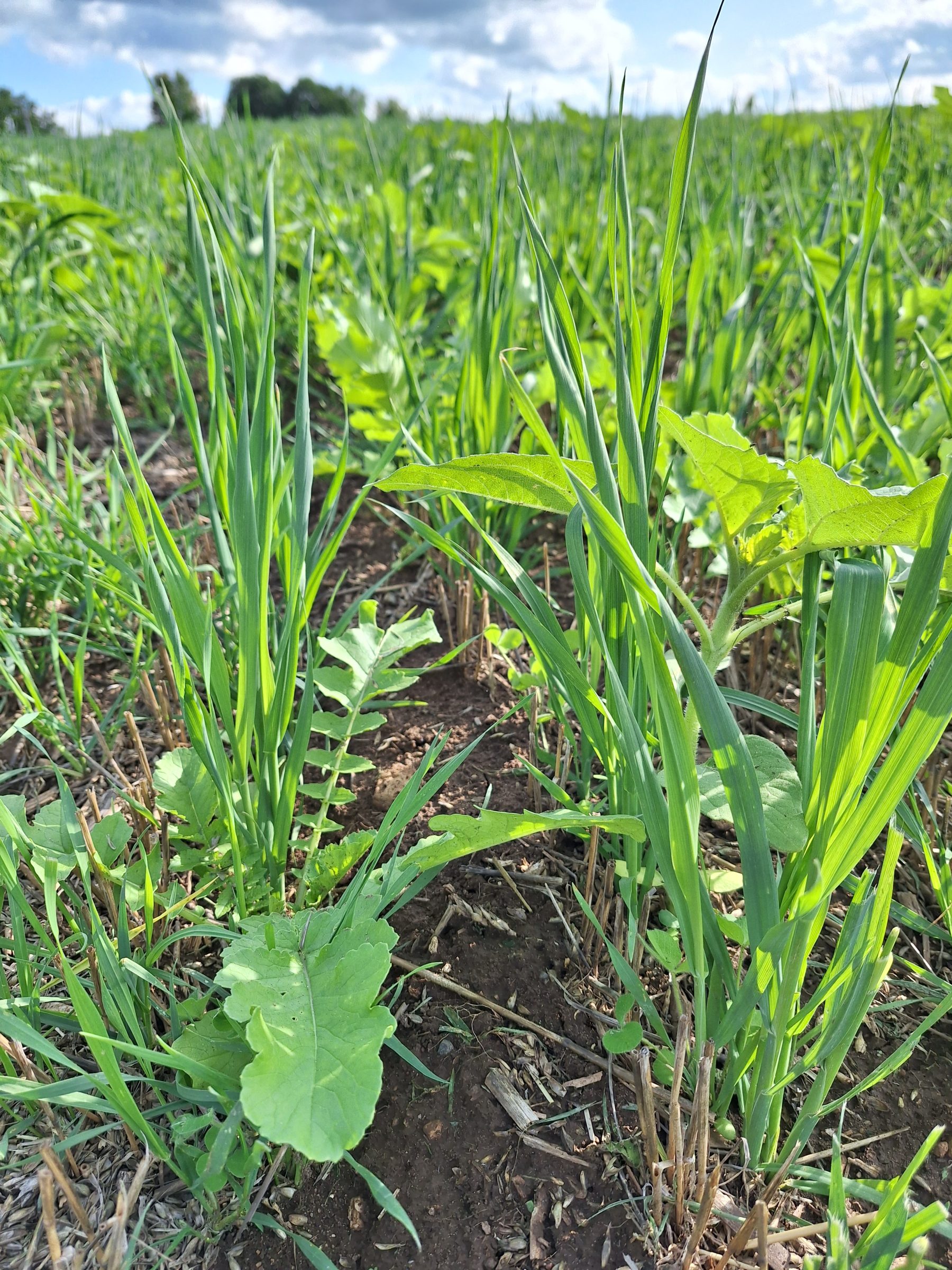
Establish Cereal Rye Cover Crops Early
Getting the cover crop on early enough to establish enough biomass is key.
Process and Timeline
Materials Available
- Online and in person events
- Regional highlights
- Research brief
- Full report
Available now
Gather Feedback and Assess Needs
Work with user groups:
- Discovery Farms Steering Committee
- Interagency Water Quality Workgroup
- Soil and water faculty and staff at UW–Madison
- County Land + Water
- NRCS State Technical Committee
Now through April 2027
Tailor for Regions and Cropping Systmes
Using feedback and needs gathered in phase 2, regional toolkits and tailored outreach will be available statewide.
Beginning April 2027
Tools and Other Priorities
More tools or usability features can be added as needs arise.
What is the Science Assessment?
The Science Assessment accompanies Wisconsin’s Nutrient Loss Reduction Strategy. It quantifies the effectiveness of different agricultural management practices in reducing nutrient losses from farm fields to Wisconsin’s waterways.
Initially, the team’s efforts focused on phosphorus losses to surface water and will ultimately expand to consider nitrogen losses to groundwater and surface water.
Why was a Science Assessment needed?
This effort built on lessons learned from recent science assessments that have been conducted by neighboring states, namely Iowa and Minnesota. A key take-away from these assessments was that many conservation practices had highly variable effects on nutrient losses. Overall, the reported variability for some practices was so high that little conclusion could be drawn about their effectiveness in improving water quality.
How were practices evaluated?
- Modeling. The team used SNAPPlus and the Wisconsin P Index model (>170,000 unique field-scale scenarios were simulated) to understand if and how implementing different conservation practices reduces phosphorus (P) losses relative to specified “baseline” practices across contrasting soil and climate regions in our state. The P Index model was run under a wide range of different management scenarios relevant to grain and forage cropping systems. For example, scenarios compared differences in P form (fertilizer or liquid dairy manure), rate and timing of application, soil-test P, tillage, cover crop, and presence of a filter strip, among other factors. Comparisons were made across soil types and within and among different cropping systems, providing context to better understand in what cases particular practices were more or less effective in decreasing P losses.
- Field data and case studies. To provide context and a targeted assessment of additional management practices, the team synthesized and analyzed measurements of surface P runoff data collected from the Wisconsin Discovery Farms program and discussed findings from related Wisconsin case studies published in peer-reviewed scientific literature.
Who developed the Science Assessment?
UW-Madison faculty and staff:
- Steven Hall, Co-Faculty Advisor, Discovery Farms
- Amber Radatz, Program Manager, Ag Water Quality Program
- Ellen Albright, Researcher, Discovery Farms
- Francisco Arriaga, Soil and Water Conservation Management Extension Specialist and Associate Professor, Department of Soil Science
- Hava Blair, Researcher, Department of Soil Science
- Eric Booth, Associate Scientist, Departments of Agronomy, and Civil and Environmental Engineering
- Jeff Hadacheck, Assistant Professor, Department of Agricultural and Applied Economics
- Margaret Kalcic, Associate Professor, Department of Biological Systems Engineering
- Chris Kurcharik, Professor, Wisconsin Energy Institute, Departments of Atmospheric and Oceanic Sciences, Agroecology, and Freshwater and Marine Science
- Kevin Masarik, Groundwater Education Specialist, Extension and UW-Stevens Point
- Mallika Nocco, Agrohydrology Extension Specialist and Assistant Professor, Department of Biological Systems Engineering
- Natasha Rayne, Extension Specialist and Assistant Professor, Department of Soil Science
- Matt Ruark, Co-Faculty Advisor, Discovery Farms
- Laura Ward Good, Scientist, Department of Soil Science